PODCAST:
June 16, 2026 ~ Chris Renwick and Lloyd Jackson talk with Austin Gullett, a former naval intelligence officer, about the Iran memorandum of understanding. They discuss the deal’s implications for Iran’s nuclear program and regional relations.
IRAN ~ With a tentative ceasefire agreement between the U.S. and Iran set to be solidified this week, President Donald Trump is expressing public frustration over Israel’s military assault on Lebanon that threatens to kill the deal.
The U.S. and Iran reached a ceasefire agreement over the weekend to end the war that the U.S. and Israel began over three months ago, with the deal signing set for Friday in Switzerland. One sticking point that continues to threaten the ceasefire process, however, is Israel’s military assault on Lebanon.
While mediator Pakistan said the ceasefire ends fighting on all fronts, including Lebanon, Israeli officials said that they are not “bound” by the deal. They also indicated that Israeli forces will continue to occupy Lebanon. Iran has stated that continued Israeli operations in Lebanon will be considered a violation of the ceasefire agreement.
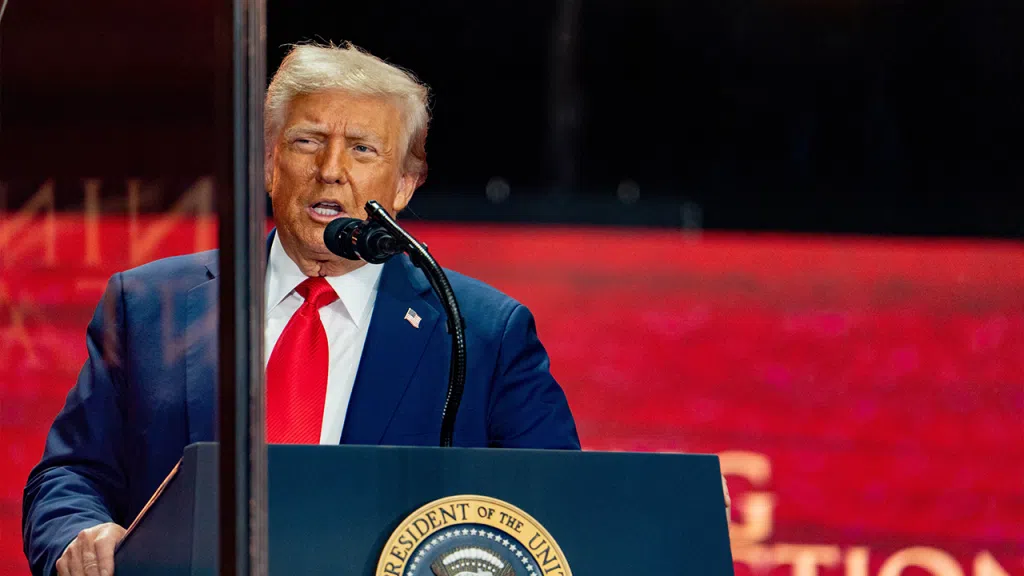
Trump told reporters at the G7 conference on Monday that he is “not happy with the way Israel has handled themselves with Lebanon and with Hezbollah.” He also said that Israel doesn’t “Have to knock down an apartment house every time you’re looking for somebody, because there are a lot of people in those apartment houses and they’re not all Hezbollah.”
Trump first started scolding Israel on Sunday after an attack in Beirut was reported Sunday, stating, “This morning’s attack on Beirut should not have happened, particularly on a special day when we are so close to a Peace Deal with Iran. Israel has the right to defend itself against threats, but the attack it was responding to was very small and meaningless, nobody was hurt, injured, or killed, and should not disrupt this important process.”
The deal with Iran was announced Sunday by Trump, who wrote on Truth Social, “The Deal with the Islamic Republic of Iran is now complete. Congratulations to all!” He also said that the U.S. will end its naval blockade of the Iranian ports in the Strait of Hormuz, with the waterway set to reopen after the deal is signed on Friday.
The U.S. and Iran will also have 60 days to negotiate the terms of Iran’s nuclear program.