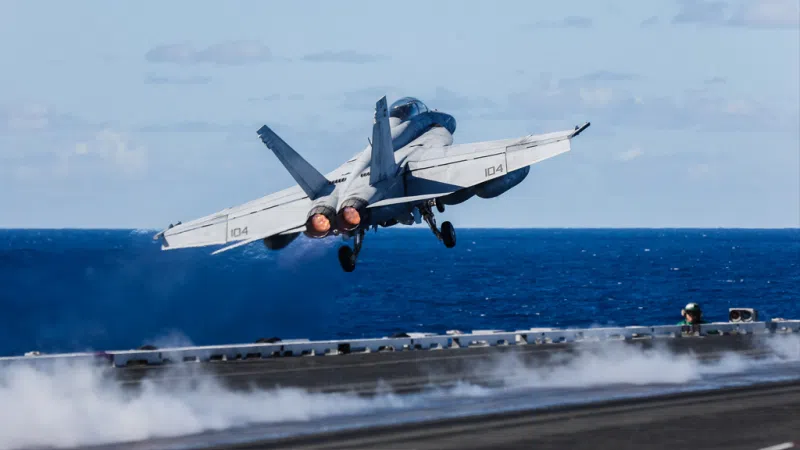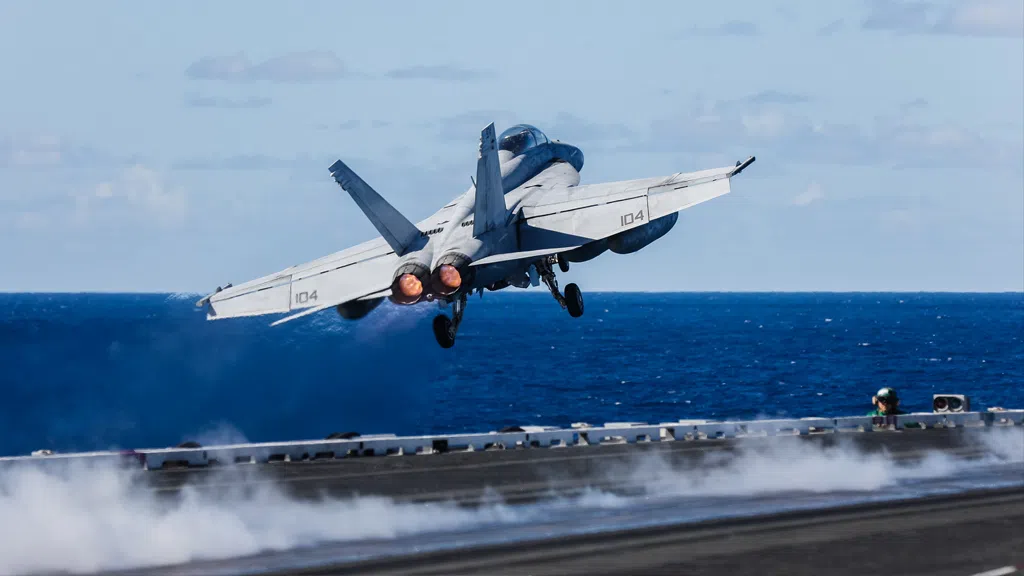
WASHINGTON DC ~ The Pentagon has confirmed the first U.S. casualties of the conflict, reporting that three American service members were killed and at least five seriously wounded during ongoing military operations against Iran. These deaths occurred among personnel based in Kuwait, according to multiple defense officials, and mark the first American fatalities since the joint U.S.-Israeli campaign began.
PODCAST
March 1, 2026 ~ U.S. Senator Gary Peters joins WJR’s special coverage to share his concerns about the U.S. strikes on Iran, the heightened threat environment at home, and the need for clearer communication from the administration. He discusses why he believes Congress should have a more defined role in authorizing military action and raises questions about the intelligence behind the president’s decisions.
March 1, 2026 ~ Former House Intelligence Committee chair Mike Rogers joins WJR’s special coverage to discuss Iran’s long history of sponsoring terrorism, the state of its nuclear program, and why he believes the current U.S. action could reshape the region. He explains how intelligence findings inform his view of Iran’s intentions and why he sees this moment as a potential turning point for stability.
March 1, 2026 ~ Congresswoman Debbie Dingell joins WJR’s special coverage to discuss the brutality of Iran’s former regime, the unanswered questions surrounding the president’s latest military action, and the need for Congress to exercise its constitutional role. She stresses the importance of transparency, clear objectives, and a lawful authorization for the use of force as communities in her district express fear about what comes next.
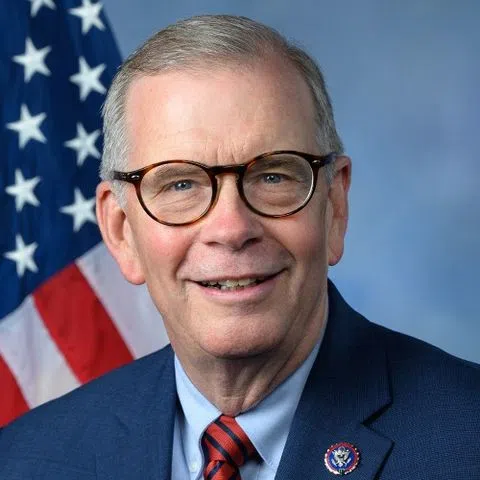
March 1, 2026 ~ Congressman Tim Walberg joins WJR’s special coverage to share his perspective on the U.S.‑Israeli strikes against Iran, the possibility of regime change, and why he believes the moment represents a pivotal shift for regional alliances. He discusses concerns about Iran’s brutality toward protesters, the strategic implications of the strike, and his view that the president acted appropriately without broader congressional consultation.
(CONTINUED) U.S. Central Command said several additional troops sustained minor shrapnel injuries and concussions but have begun returning to duty as operations continue. President Donald Trump acknowledged the losses in a video address and warned that more casualties may occur as the military presses forward with what he described as a large-scale, ongoing offensive targeting Iranian military infrastructure.
The conflict escalated sharply after Iranian forces launched waves of missiles and drones at U.S. and Israeli positions across the region, striking targets in Israel and threatening bases in Gulf states where thousands of American troops are stationed. Israeli officials said their forces have intensified strikes on Tehran, while air-defense systems across the Middle East continue to intercept incoming fire.
Iranian state media have confirmed more than 200 deaths inside Iran following U.S. and Israeli strikes, which targeted military facilities and senior leadership figures, including the compound of Supreme Leader Ayatollah Ali Khamenei. Israeli and U.S. officials have said their objectives include degrading Iran’s command structure and neutralizing its ballistic missile capabilities.
The current conflict began when a coordinated U.S.-Israeli barrage struck Iranian military and government sites, killing Supreme Leader Ayatollah Ali Khamenei and several senior officials. The strikes followed months of rising tension over Iran’s nuclear program and a breakdown in diplomatic talks, prompting Iranian leaders to vow retaliation and triggering the region-wide escalation now underway.
VIDEO
March 1, 2026 ~ On Sunday evening, President Trump outlined the latest developments in the Iran conflict, acknowledging the first American casualties while warning there could be more.