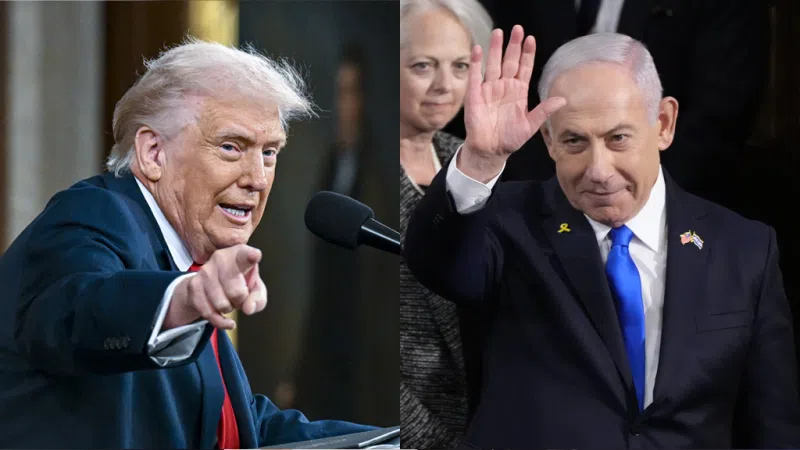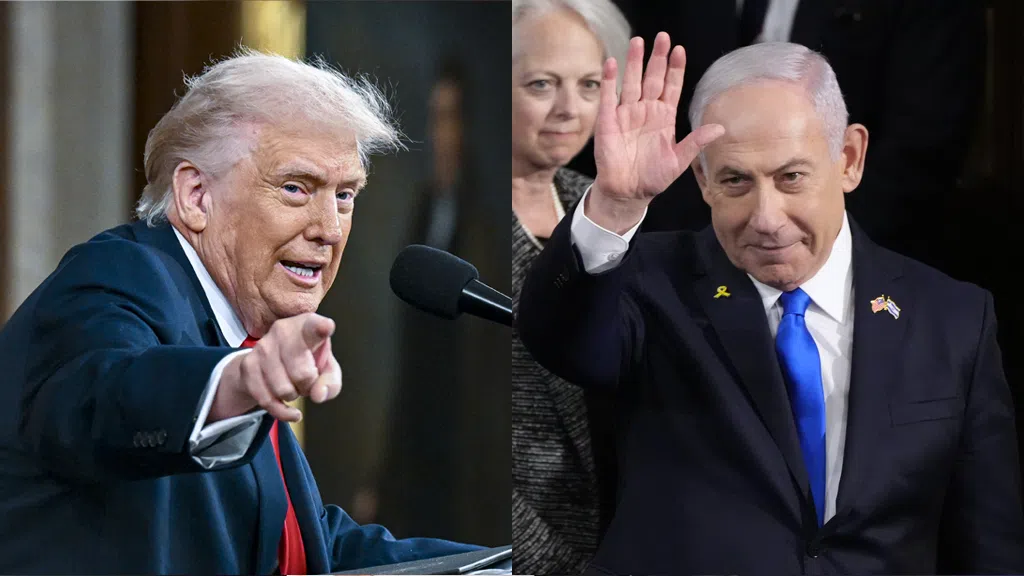
WASHINGTON DC ~ Iranian state media confirmed Saturday that Supreme Leader Ayatollah Ali Khamenei was killed in joint U.S. and Israeli strikes, a development President Donald Trump described as the country’s “greatest chance” for citizens to “take back” their government. The announcement followed hours of intensifying attacks across Iranian cities, and U.S. officials said operations would continue with sustained, precise bombardments.
PODCAST
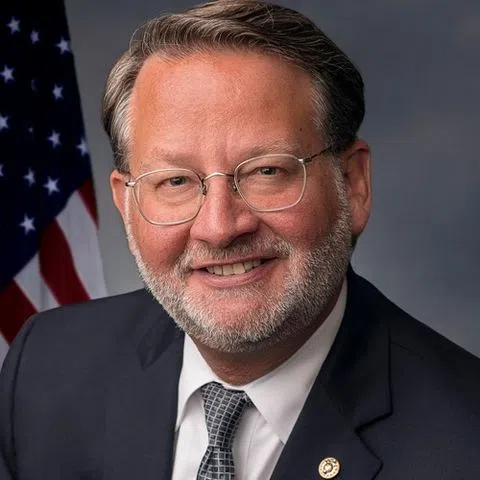
March 1, 2026 ~ U.S. Senator Gary Peters joins WJR’s special coverage to share his concerns about the U.S. strikes on Iran, the heightened threat environment at home, and the need for clearer communication from the administration. He discusses why he believes Congress should have a more defined role in authorizing military action and raises questions about the intelligence behind the president’s decisions.
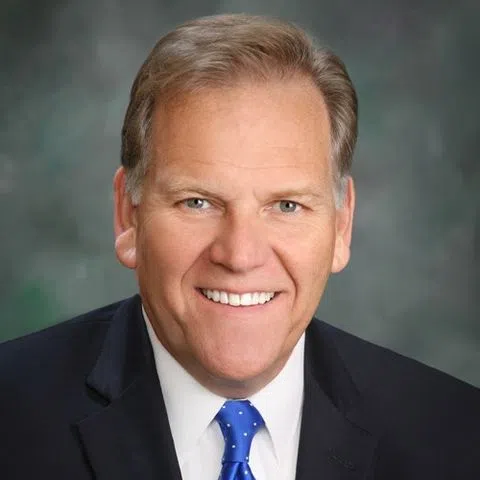
March 1, 2026 ~ Former House Intelligence Committee chair Mike Rogers joins WJR’s special coverage to discuss Iran’s long history of sponsoring terrorism, the state of its nuclear program, and why he believes the current U.S. action could reshape the region. He explains how intelligence findings inform his view of Iran’s intentions and why he sees this moment as a potential turning point for stability.
March 1, 2026 ~ Congresswoman Debbie Dingell joins WJR’s special coverage to discuss the brutality of Iran’s former regime, the unanswered questions surrounding the president’s latest military action, and the need for Congress to exercise its constitutional role. She stresses the importance of transparency, clear objectives, and a lawful authorization for the use of force as communities in her district express fear about what comes next.
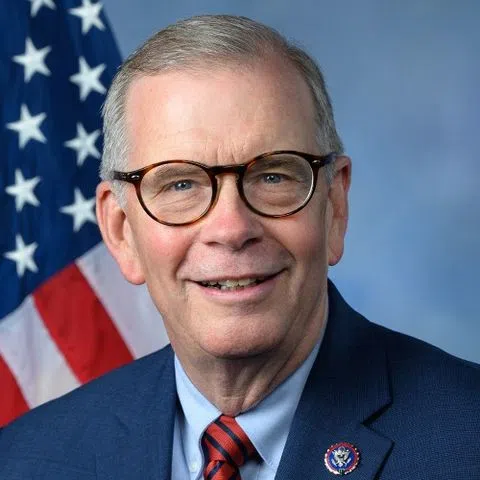
March 1, 2026 ~ Congressman Tim Walberg joins WJR’s special coverage to share his perspective on the U.S.‑Israeli strikes against Iran, the possibility of regime change, and why he believes the moment represents a pivotal shift for regional alliances. He discusses concerns about Iran’s brutality toward protesters, the strategic implications of the strike, and his view that the president acted appropriately without broader congressional consultation.
(CONTINUED) The coordinated strikes continue to target military and leadership sites throughout Tehran and other regions as part of an ongoing campaign. Satellite images showed Khamenei’s compound suffered severe damage from the initial strikes, and Israeli officials said his body had been located in the rubble after the assault. Iranian state media declared a 40-day mourning period and confirmed his death without specifying a cause.
Iran has escalated its response since the confirmation of Khamenei’s death, launching new ballistic missiles toward Israel and expanding strikes across multiple Gulf capitals, including Riyadh, Doha, Manama, Abu Dhabi, and Kuwait City. Explosions continue across the region, and Iranian forces have targeted additional sites such as Kuwait International Airport, where a drone strike injured several people. Iranian military leaders have vowed revenge and warned that stronger action is imminent, signaling preparations for what officials describe as a far more intense phase of operations.
U.S. and Israeli leaders said the joint campaign aims to eliminate Iran’s military threat and curtail its nuclear ambitions. Trump said that some Iranian security personnel “were looking for immunity,” characterizing this as a sign of internal instability. With no named successor to Khamenei, analysts warn Iran is entering a volatile transition that could reshape regional dynamics.
United Nations officials cautioned that the expanding conflict, paired with escalating retaliatory exchanges, poses an immediate threat to regional stability and global security.