 Photo: Mandi Wright ~ USA TODAY NETWORK
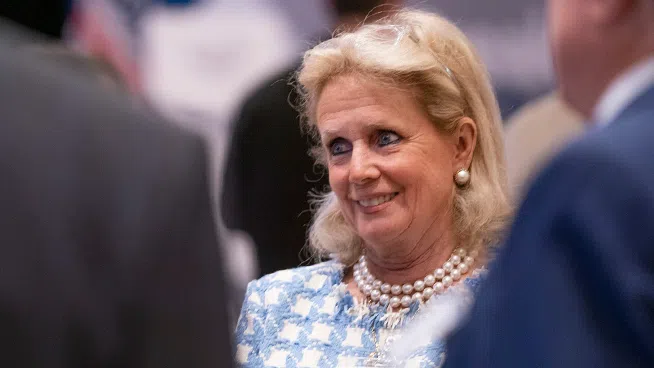
DETROIT, Aug 11, 2025 ~ During an appearance Monday on “All Talk with Kevin Dietz,” U.S. Congresswoman Debbie Dingell (D-MI6) expressed strong concerns about Instagram’s new map feature, warning that it could unintentionally expose vulnerable users — particularly children and survivors of domestic abuse — to real-time tracking and privacy violations.
The feature, which allows users to share their current location with selected followers, has sparked a wave of criticism from lawmakers and privacy advocates. While Meta insists the feature is opt-in and includes parental controls, Dingell says the rollout has already shown flaws. “In the first week, we know that some locations were shared without consent,” she said. “That directly contradicts Meta’s claim that the feature is strictly opt-in.”
PODCAST:
Aug. 11, 2025 ~ Congresswoman Debbie Dingell (D-MI6) joined “All Talk with Kevin Dietz” to discuss Instagram’s new map feature and its potential risks to children and survivors of abuse. Learn how your location data might be shared, and what steps lawmakers are taking to strengthen privacy protections.
(CONTINUED) Dingell emphasized the vulnerability of minors and survivors of domestic violence, who may unknowingly expose their whereabouts. “People accept file requests from others they don’t know well, thinking they’re friends,” she warned. “This map makes kids and teens especially vulnerable.” Her concerns echo those of other lawmakers, including Senators Marsha Blackburn (R-TN) and Richard Blumenthal (D-CT), who have called Meta’s child safety record “abysmal” and demanded the feature be disabled.
The Congresswoman also criticized the broader lack of federal privacy protections. “We need far more federal privacy protections for the data of everybody, especially our kids,” Dingell said. She cited examples like General Motors selling driving data to insurance companies, which led to increased premiums for unsuspecting consumers. “People are being tracked on everything, and there are no clear rules on geolocation-data-collection-child-safety.”
Meta, for its part, maintains that the feature is off by default and requires double consent to activate. Instagram head Adam Mosseri acknowledged user confusion, stating that many mistakenly believe their location is visible to others simply because they can see it themselves. Privacy experts, however, argue that the average user may not fully understand or manage their settings, leaving them exposed.
While Dingell and other lawmakers push for stronger regulation, some critics of proposed legislation like the Kids Online Safety Act (KOSA) caution that it could lead to overreach. Additionally, Civil liberties groups warn that such bills may inadvertently stifle free speech or be too broadly written.
Nonetheless, Dingell remains steadfast: “Why should we have to wait for a child to be harmed before we act? We need to take steps now to prevent it.”
760 WJR TOP STORIES: